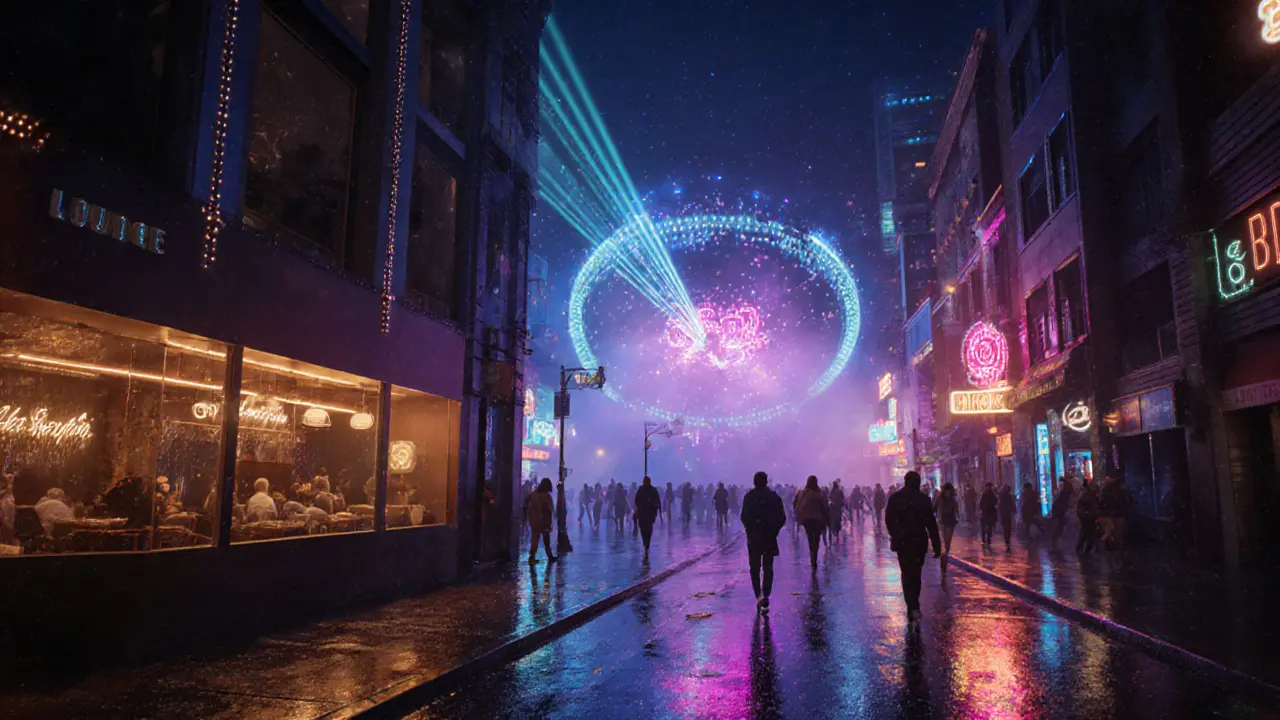
Nightlife is the social scene that comes alive after sunset, stretching from low‑key lounges to massive dance halls that pump out beats until dawn. Yet some places refuse to hit the lights at all - they keep the music thumping, the drinks flowing, and the crowds moving around the clock. If you crave a city where the party truly never stops, keep reading. We’ll break down why certain spots earn a reputation for non‑stop fun, list the best party cities for any hour‑owl, and hand you practical tips so you can roll out of bed and straight into a club without missing a beat.
What Makes a City a 24‑Hour Party Destination?
First, a city needs venues that stay open past the typical 2 a.m. curfew. That usually means a strong tourist engine, liberal licensing laws, and a local culture that embraces late‑night revelry. Second, transportation has to keep moving - reliable night buses, trams, or ride‑share services make it safe to hop from bar to bar. Third, the vibe matters: a mix of world‑class DJs, diverse music styles, and a crowd that’s ready to dance at any hour creates an infectious energy that can’t be bottled.
Finally, safety protocols and clear information for visitors are essential. Cities that invest in well‑lit streets, multilingual staff, and emergency support see visitors stay longer and come back for more.
Top 7 Cities for Non‑Stop Parties
Below are the cities that consistently rank at the top of every traveler’s list when it comes to round‑the‑clock nightlife. Each entry includes a quick snapshot of the scene, the neighborhood you’ll want to base yourself in, and a tip you won’t find in a typical guidebook.
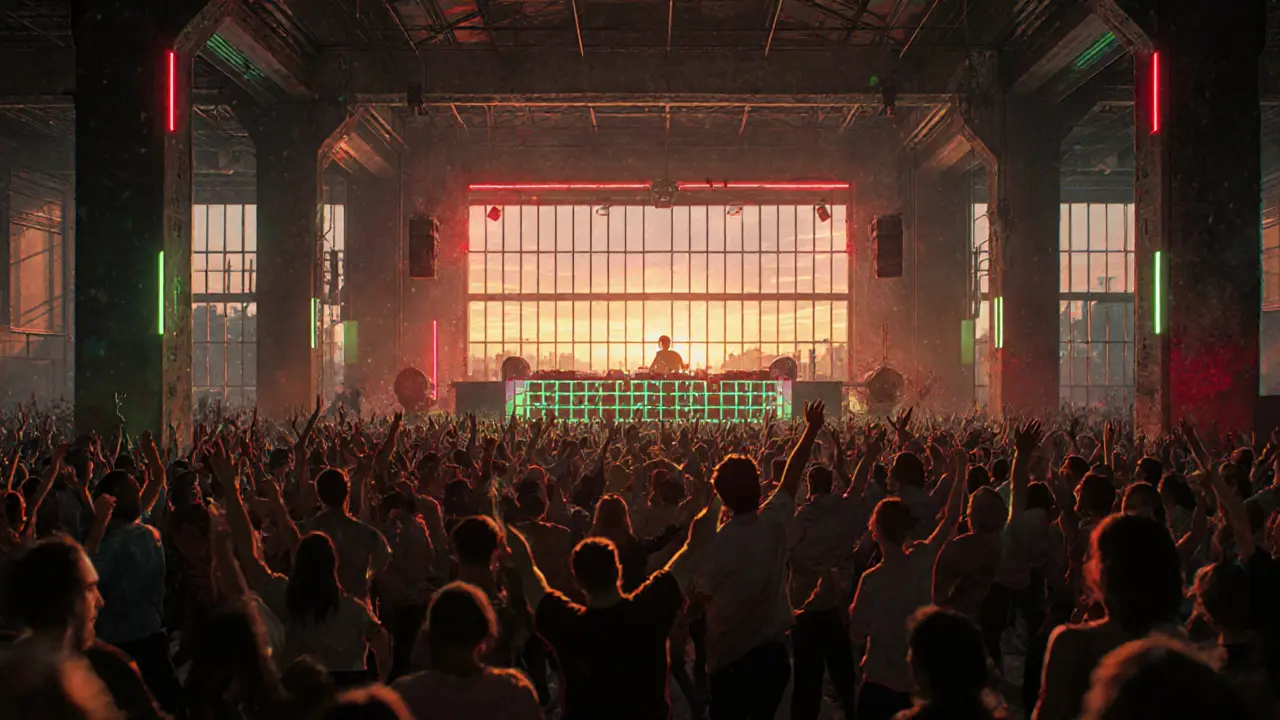
- Berlin is legendary for its techno temples that often stay open until 8 a.m. or later. The Friedrichshain and Kreuzberg districts host the world’s most resilient club culture, where you can walk from a late‑night pizza stop straight into a warehouse rave. Tip: Bring a valid ID and cash - many door policies are cash‑only after midnight.
- Ibiza isn’t just a summer hotspot; its superclubs like Amnesia and Pacha run marathon sets that start at 2 a.m. and finish when the sun kisses the horizon. The island’s San Antonio area stays buzzing all night thanks to beach bars that never close. Tip: Book a hotel near the marina to catch early morning sunrise sets without the hassle of transport.
- Bangkok blends neon streets with a nightlife that refuses to dim. Sukhumvit Soi 11 and RCA host clubs that serve cocktails until 4 a.m., while street food stalls stay open well past sunrise. Tip: Use the BTS Skytrain after 1 a.m. - the trains run every 10 minutes and are far cheaper than taxis.
- New York City lives up to its “city that never sleeps” nickname. Times Square, the Meatpacking District, and Williamsburg each have spots that keep doors open until 5 a.m. and beyond, especially on weekends. Tip: Grab a late‑night slice of pizza at Joe’s Pizza - a tradition for clubbers heading home.
- Tokyo offers a night circuit that runs past midnight into the early hours. Shibuya and Roppongi host everything from EDM superclubs to intimate jazz bars that turn into after‑hours lounges. Tip: Purchase a prepaid Suica card for seamless travel on trains that operate 24 hours on select lines.
- Rio de Janeiro fuses carnival spirit with a nightlife that glows until sunrise. The Lapa neighborhood bursts with live samba, forró, and electronic sets that keep the dance floor alive until 6 a.m. Tip: Stick to well‑lit streets and keep an eye on your belongings - the high energy crowds can attract pickpockets.
- Los Angeles may be known for its film industry, but its nightlife scene in Hollywood, Downtown, and West Hollywood runs late, especially on weekends. Many rooftop bars and warehouse parties stay open until 4 a.m. Tip: Rent a bike from one of the city’s bike‑share programs to avoid traffic jams during the early‑morning rush.
Comparison Table: Key Attributes of Non‑Stop Party Cities
| City | Typical Latest Closing | Famous District | Average Entry Fee (USD) | Best Season for Parties |
|---|---|---|---|---|
| Berlin | 08:00 a.m. | Kreuzberg | 15‑25 | May‑September |
| Ibiza | 06:00 a.m. | San Antonio | 25‑40 | June‑August |
| Bangkok | 04:00 a.m. | Sukhumvit Soi 11 | 10‑20 | November‑February |
| New York City | 05:00 a.m. | Meatpacking | 20‑35 | April‑October |
| Tokyo | 03:00 a.m. | Roppongi | 15‑30 | March‑May |
| Rio de Janeiro | 06:00 a.m. | Lapa | 10‑25 | December‑March |
| Los Angeles | 04:00 a.m. | West Hollywood | 15‑30 | April‑September |
How to Make the Most of a Non‑Stop Nightlife Trip
- Plan Your Sleep Cycle. Even if clubs stay open, your body needs rest. Schedule short power naps or use quiet hotel rooms for quick recharge.
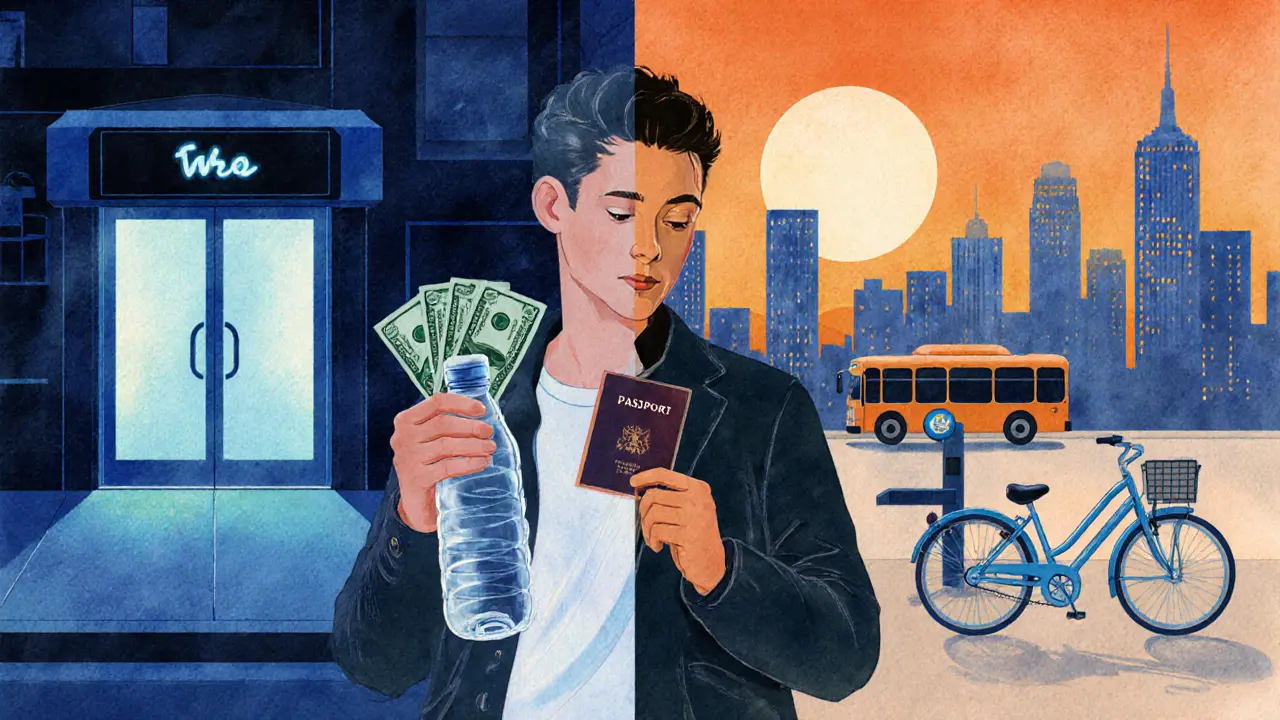
- Carry Portable ID and Cash. Many after‑hours venues skip card readers, and some entry checks require a photo ID.
- Stay Hydrated. Dancing for hours burns calories and dehydrates you fast. Alternate water with your favorite cocktail.
- Use Reliable Transport. Download local ride‑share apps ahead of time, and know the night‑bus routes before you head out.
- Pick a Central Base. Choose accommodation near the epicenter of the nightlife district. Walking distance saves time and money.
- Respect Local Customs. Some cities have dress codes or specific etiquette for clubbers - a quick Google search can save embarrassment.
- Keep an Emergency Kit. A small pouch with a copy of your passport, a local SIM, and a basic first‑aid kit helps if anything goes sideways.
Safety First: Staying Smart When the Party Never Sleeps
The excitement of a 24‑hour scene can sometimes blur good judgment. Here are three non‑negotiable rules:
- Never Leave Drinks Unattended. Even in reputable clubs, a rogue hand can swipe your drink. Keep it in sight or use a drink‑saver.
- Travel in Pairs or Small Groups. Solo wanderers are easier targets for scams, especially after the metro shuts down.
- Know the Local Emergency Number. In Europe, it’s 112; in the U.S., 911. Save it in your phone contacts.
Beyond the Club: Other Late‑Night Experiences
Non‑stop nightlife isn’t limited to dancing. Consider these alternatives that keep the vibe alive after the last beat drops:
- All‑Night Street Food Markets. Cities like Bangkok and Berlin host night markets where you can sample local delicacies while the music fades.
- Sunrise Beach Parties. In Ibiza and Rio, DJs set up stages on the sand for a sunrise set that feels like a new day.
- Late‑Night Museums or Galleries. Some European capitals open cultural venues until midnight, offering a quieter rhythm after the clubs.
Frequently Asked Questions
Which city stays open the latest on weekends?
Berlin’s techno clubs, especially those in Friedrichshain, often keep their doors open until 8 a.m. on Saturday nights, making it the longest‑running weekend scene in Europe.
Is it safe to walk between clubs after midnight?
In most of the highlighted cities, well‑lit main streets and frequent night‑bus services make walking safe. However, always stay in groups, avoid isolated alleys, and keep an eye on your belongings.
Do I need a special visa to enjoy nightlife in these cities?
Tourist visas generally cover nightlife activities. Just make sure your passport is valid for at least six months and check any local entry restrictions before you travel.
What’s the best way to handle currency for late‑night venues?
Carry a mix of cash and a contactless card. Many clubs accept cards early in the night but switch to cash after midnight to avoid transaction fees.
Are there any age restrictions I should know about?
Most European venues allow entry at 18, while some US clubs require 21. Always bring a valid ID; some places also check for dress codes or a minimum spend.
Whether you’re chasing sunrise beats in Ibiza or underground techno in Berlin, the world’s non‑stop party cities offer a playground that runs past the usual bedtime. With the right prep, you’ll spend less time worrying and more time dancing until dawn.

One must first confrnt the egregious misuse of "non‑stop" in the opening paragraph; the hyphen is gratuitous and violates the Chicago Manual of Style. Yet, beyond trivial orthographic errors, the article betrays a shallow celebration of hedonism, as if endless revelry constitutes a higher purpose. In truth, perpetual debauchery erodes the soul, reducing human experience to a monotonous drumbeat. The author appears to neglect the existential void that such nocturnal excess engenders. Moreover, the claim that “the city never sleeps” is a romanticized myth that masks the capitalist exploitation of nightlife workers. If one were to adopt a Stoic perspective, the relentless pursuit of pleasure would be deemed a vice. Finally, the list of cities is conspicuously biased toward Euro‑centric destinations, ignoring vibrant after‑hours scenes in Africa and South America. Such oversight reflects a colonial gaze, privileging Western narratives over local authenticity. In sum, the guide offers glossy recommendations while ignoring the ethical and philosophical ramifications of 24‑hour partying.
While the observations are noted, the article remains largely unhelpful.
It is deplorable how the writer glorifies endless drinking without regard for the suffering of service staff who labour through the night for pennies.
They hide the truth that the nightlife industry is run by secret groups that control the city lights.
The guide reads like a glossy brochure written by someone who has never set foot in a real after‑hours venue. It glorifies superficial excess while glossing over the gritty reality of noise complaints, police raids, and the toll on mental health. The author’s tone is smug, assuming every reader has infinite stamina and a bottomless wallet. Moreover, the advice to "carry cash" betrays a lack of awareness about modern contactless payments that dominate most cities. The recommendation to bike in Los Angeles during early‑morning rush hour is downright dangerous without proper infrastructure. In short, the piece is a shallow marketing piece that panders to tourists rather than offering grounded, responsible advice.
Great points! I think it’s helpful to remind travelers about safety and budgeting-thanks for the thorough breakdown 🙂
In the grand tapestry of nocturnal human endeavor, the pursuit of endless revelry emerges as both a testament to our insatiable curiosity and a stark reminder of the existential vacuum that lurks behind perpetual motion. The author, in a cascade of glossy adjectives, attempts to chart a map of the world’s most ceaseless party capitals, yet fails to interrogate the deeper philosophical implications of a society that refuses to rest. One might argue, invoking the ancient Stoics, that true wisdom resides not in the volume of decibels that pierce the night, but in the silence that follows the final bass drop. Moreover, the text’s fixation on Euro‑centric locales betrays an implicit bias, marginalizing the vibrant nocturnal cultures thriving in less heralded regions. The practical tips, though earnest, are presented with a veneer of optimism that glosses over the physiological toll exacted by sleep deprivation. Consider, for instance, the neurochemical imbalance wrought by incessant stimulant consumption; such a state erodes the very foundations of cognitive resilience. By romanticizing vigils that stretch into sunrise, the guide inadvertently propagates a narrative that valorizes excess over equilibrium. Yet, paradoxically, the human drive to seek communion under artificial lights persists, hinting at an intrinsic yearning for collective euphoria. The dichotomy between the celebratory façade and the underlying fatigue invites a nuanced discourse on modern hedonism. In conclusion, while the guide serves as a handy itinerary for the adventurous, it also beckons a deeper contemplation of what it truly means to live, and indeed, to party, without pause.
All major cities have 24‑hour venues; the guide merely reiterates well‑known facts.