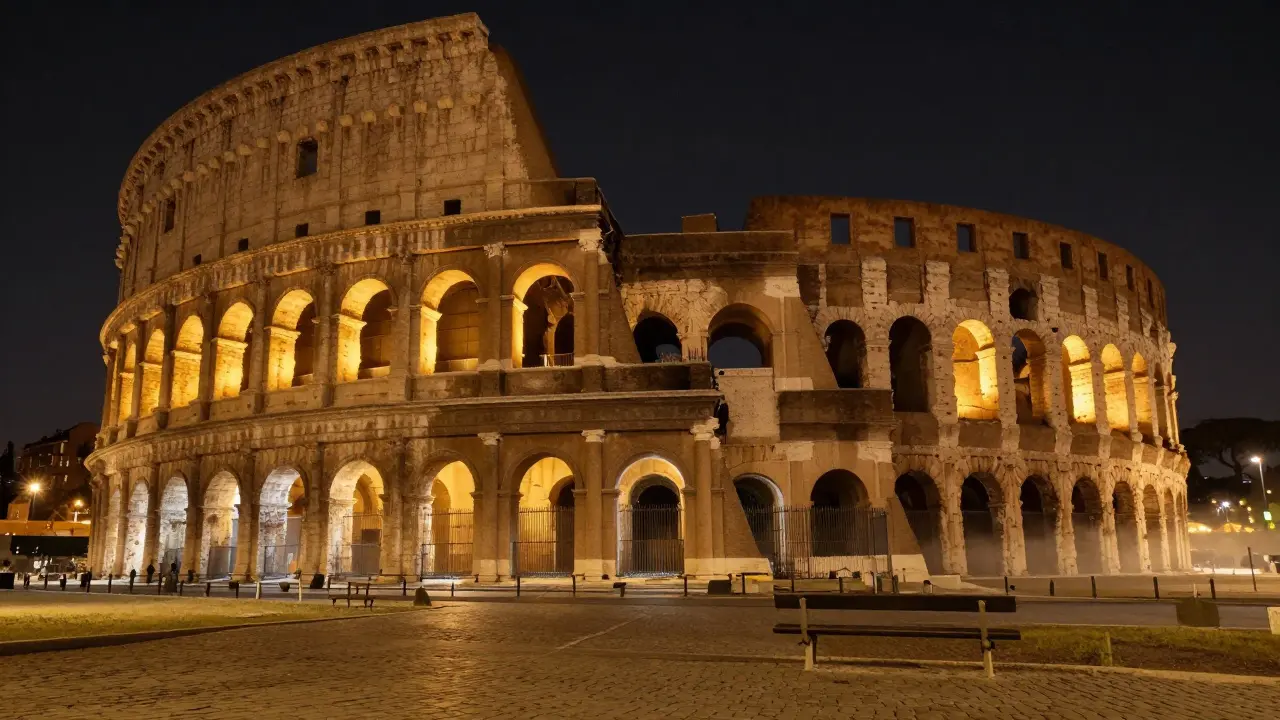
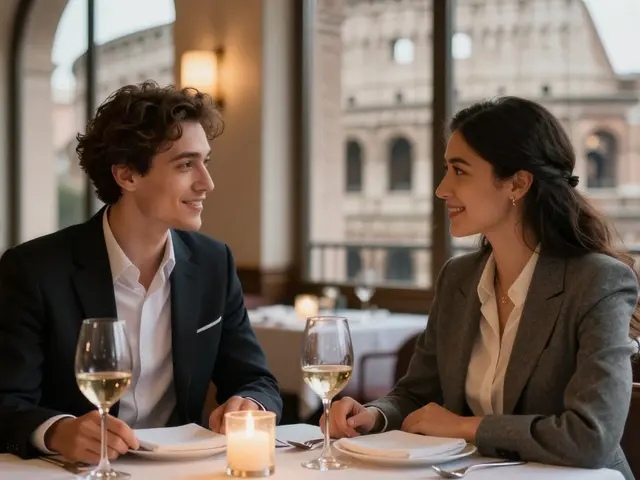
Walk through Rome after sunset, and you’ll swear the city rewrote its own rules. The same streets that buzzed with tourists all day now feel like a secret only the locals know. The Colosseum, glowing under soft golden lights, doesn’t just stand there-it tells stories. No crowds. No lines. Just stone, shadow, and silence that lets you hear history breathe.
When the Sun Sets, Rome Comes Alive
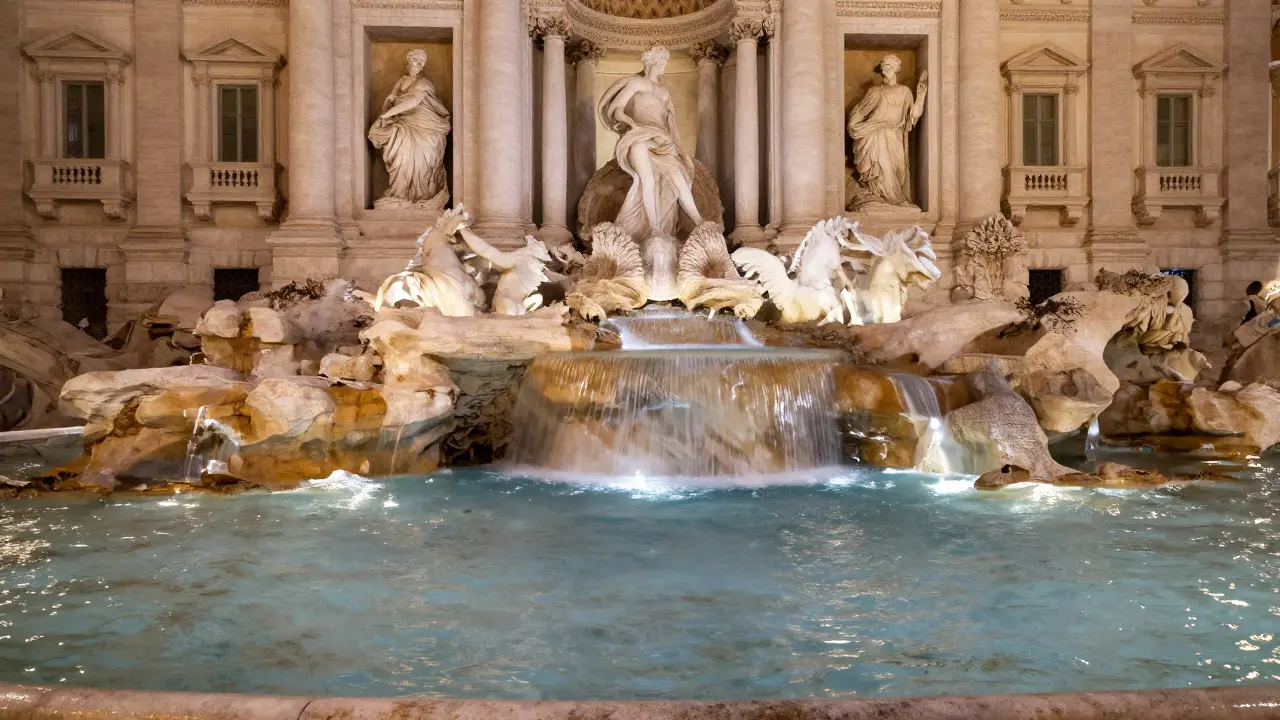
Most people leave Rome as the sun dips below the horizon. But those who stay? They get the real thing. The daytime version of Rome is impressive-ancient ruins, bustling piazzas, gelato shops lined up like candy stores. But at night, the city sheds its tourist skin. The Pantheon’s oculus catches the last of the twilight like a celestial spotlight. The Trevi Fountain, usually packed with selfie sticks, becomes a shimmering pool of liquid silver under lamplight. You don’t just see these places-you feel them.
There’s a reason why Romans linger over dinner until 10 p.m. and stroll the streets until midnight. Nighttime here isn’t about parties or clubs-it’s about rhythm. It’s about the clink of wine glasses in Trastevere, the echo of footsteps on cobblestones near the Roman Forum, the quiet hush that falls over St. Peter’s Basilica as the last visitors leave. This isn’t a city that sleeps. It transforms.
The Colosseum After Dark: A Monument Reborn
The Colosseum at night is nothing like the daytime version. During the day, it’s a monument you queue for, snap a photo of, and move on from. At night, it’s a cathedral of history. Special lighting highlights every crack, every arch, every carved inscription. You can walk right up to its outer walls without jostling for space. The sound of your own breath is louder than the distant hum of traffic.
On clear nights, the sky above the Colosseum is dark enough to see stars. It’s easy to imagine gladiators looking up at the same sky, centuries ago. There are no guided tours after dark, but you don’t need one. Just sit on the steps near Piazza del Colosseo and let the silence do the talking. Locals do it all the time. Tourists rarely do.
Pro tip: Visit between 9 p.m. and 11 p.m. The lighting is at its best, and the air cools just enough to make walking feel like a gift.
Vatican After Hours: The Silent Majesty
The Vatican Museums close at 6 p.m., and St. Peter’s Basilica shuts its doors by 7 p.m. But here’s the secret: you can still stand inside St. Peter’s Square long after the crowds vanish. The dome, lit from within, glows like a beacon. Bernini’s colonnade wraps around you like stone arms holding the world together. No lines. No security checks. Just you, the statues, and the echo of centuries.
Go early enough to catch the sunset over the Tiber River, then walk slowly through the square as the lights come on. The statue of St. Peter at the entrance is touched by thousands during the day. At night, it’s just you and the marble. Some visitors kneel. Others just stare. Both are valid.
Don’t miss the view from the bridge near Castel Sant’Angelo. From there, you can see the entire Vatican complex lit up, framed by the dark curve of the river. It’s the kind of sight that stays with you longer than any photo.
Trastevere: Where the Night Bites Back
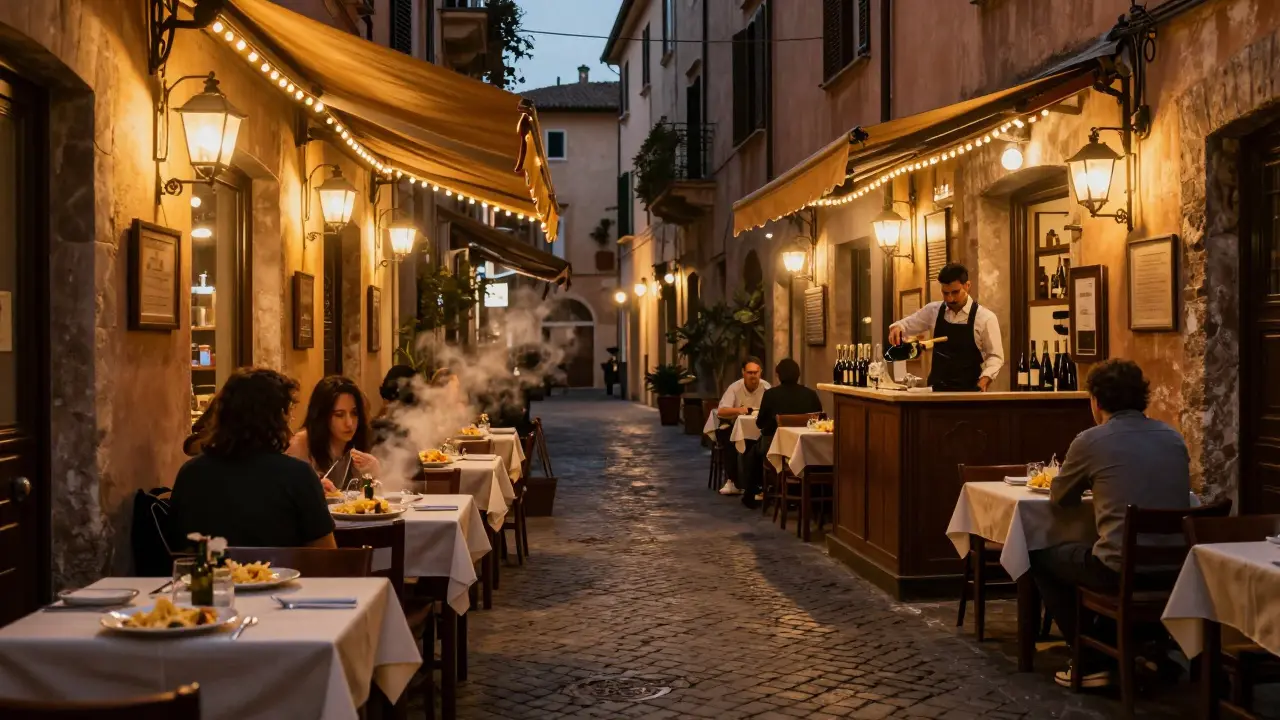
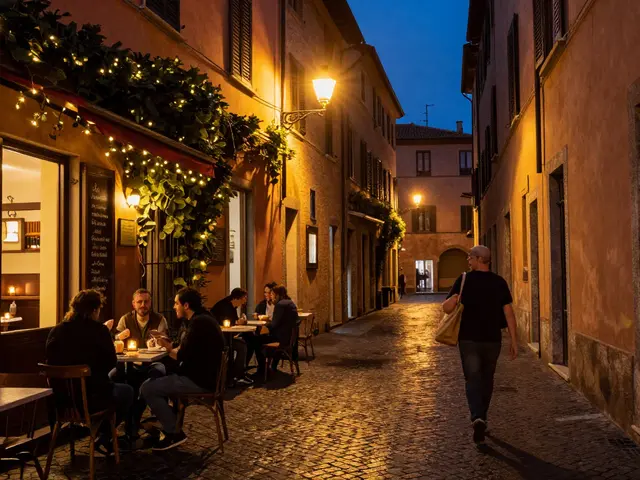
If you want to taste Rome after dark, head to Trastevere. This neighborhood doesn’t just come alive-it sings. Narrow alleys glow with string lights. Restaurants spill onto cobblestones. The smell of garlic, rosemary, and wood-fired pizza hangs in the air. This isn’t a tourist trap. It’s a living, breathing part of Rome that hasn’t changed in 50 years.
Try Trattoria Da Enzo. It’s tiny. No menu. Just a chalkboard with what’s fresh. Locals line up. Tourists wait. The wait is worth it. Order the cacio e pepe. It’s not just pasta-it’s a lesson in simplicity. The cheese melts. The pepper sings. The wine is cheap. The laughter is loud.
Walk away from the main drag. Turn down Via della Scala. Find the tiny bar with no sign. The bartender will nod. You’ll get a glass of local red. No English spoken. No menu. Just a smile and a toast to the night.
The Roman Forum: Silence Among Ruins
By day, the Roman Forum is a maze of signs, audio guides, and tour groups. At night, it’s a ghost town of grandeur. The Temple of Saturn, the Arch of Titus, the House of the Vestal Virgins-all stand empty, bathed in low lighting. The air is cool. The stones still hold the heat of the day.
You can walk where emperors once walked. Touch the same columns they leaned on. Listen for the ghost of a senator’s voice. There’s no official nighttime access, but you can stroll the perimeter freely. The path along Via dei Fori Imperiali is well-lit and safe. Bring a light jacket. The wind off the Palatine Hill carries the chill of history.
Bring a notebook. Not to take photos. To write. One sentence. Just one. What does this place mean to you now? You’ll forget the words. But you’ll remember the feeling.
Where to Go, What to Skip
Not every part of Rome shines after dark. Here’s what works-and what doesn’t.
- Do: Walk the Tiber River path from Ponte Sant’Angelo to Ponte Mazzini. The city lights reflect on the water. It’s peaceful. Magical.
- Do: Visit Piazza Navona after 9 p.m. The fountains glow. Street musicians play. No one haggles. No one pushes.
- Do: Grab a cone of gelato from Giolitti. The lines are shorter. The flavors are colder. The vanilla? Pure.
- Don’t: Try to enter the Vatican Museums at night. They’re closed. No exceptions.
- Don’t: Go to the Spanish Steps after midnight. It’s quiet, but not safe. Stick to well-lit areas.
- Don’t: Expect nightlife bars to be packed. Rome doesn’t do clubbing like Berlin or London. It does wine, conversation, and slow nights.
Why This Matters
Rome at night isn’t just a different view. It’s a different experience of time. During the day, you’re rushing through history. At night, you’re sitting with it. The city doesn’t ask you to understand. It asks you to feel.
Most travel guides tell you to see Rome before sunset. They’re wrong. The real Rome waits for you after dark. The stones remember. The fountains still sing. The streets still whisper. You just have to be still enough to hear them.
Is it safe to walk around Rome at night?
Yes, most central areas like the historic center, Trastevere, and the areas around major landmarks are very safe at night. Stick to well-lit streets, avoid isolated alleys after midnight, and keep valuables out of sight. Pickpockets are rare after dark, but they still exist-just like in any major city. Locals walk home alone at night. You can too.
Can you visit the Colosseum at night?
You can’t go inside the Colosseum after dark-it closes at 7 p.m. But you can walk around it freely. The surrounding area is open 24/7, and the lighting is stunning. Many locals and photographers come here after 9 p.m. for the best shots. No ticket needed. Just bring a camera and patience.
What time does the Trevi Fountain close?
The Trevi Fountain is always open. There’s no gate, no closing time. You can visit at 2 a.m. if you want. The best time is between 9 p.m. and midnight when the lights are on, the crowds are gone, and the water glows. It’s the only fountain in Rome that feels more beautiful at night than in daylight.
Are restaurants open late in Rome?
Yes. Most restaurants in tourist areas close around midnight. In neighborhoods like Trastevere and Monti, many stay open until 1 a.m. or later. Dinner starts late-usually after 8 p.m.-so don’t expect to eat at 6 p.m. If you’re hungry after 11 p.m., head to a trattoria with a chalkboard menu. They’ll still serve you.
What should I wear for a nighttime walk in Rome?
Comfortable walking shoes are a must-cobblestones are unforgiving. Layer up. Even in summer, the air drops 10°F after sunset. A light jacket or scarf works. No need for fancy clothes. Romans dress casually, even at night. A pair of jeans, a sweater, and good shoes are all you need. And leave the flip-flops at the hotel.
The next time someone tells you to see Rome before sunset, tell them you’ll see it after. Because history doesn’t end with the sun. It just gets quieter. And louder. And more alive.

Just got back from Rome last month and this post nailed it. I stayed till midnight and sat on the steps of the Colosseum with a bottle of Frascati. No tour groups. No hustle. Just the wind whispering through the arches like it knew I was listening.
Turns out the real Rome doesn’t care if you take a photo. It just wants you to sit still for a minute.
Best travel advice I’ve ever followed. Thanks for this.
PS: Trastevere at 11 p.m. with cacio e pepe and a local red? Life-changing. I’m already planning my return.