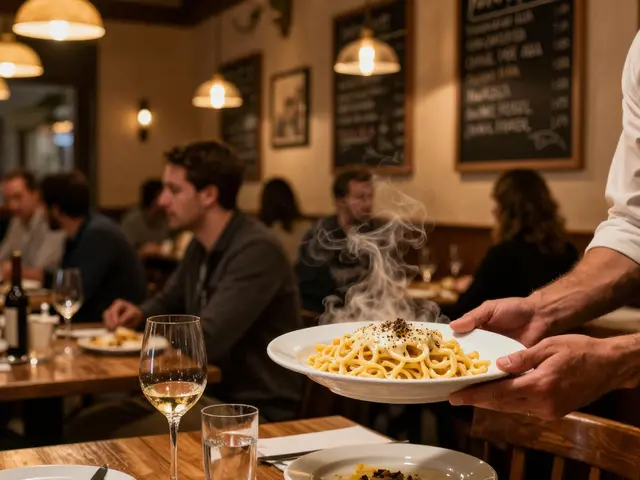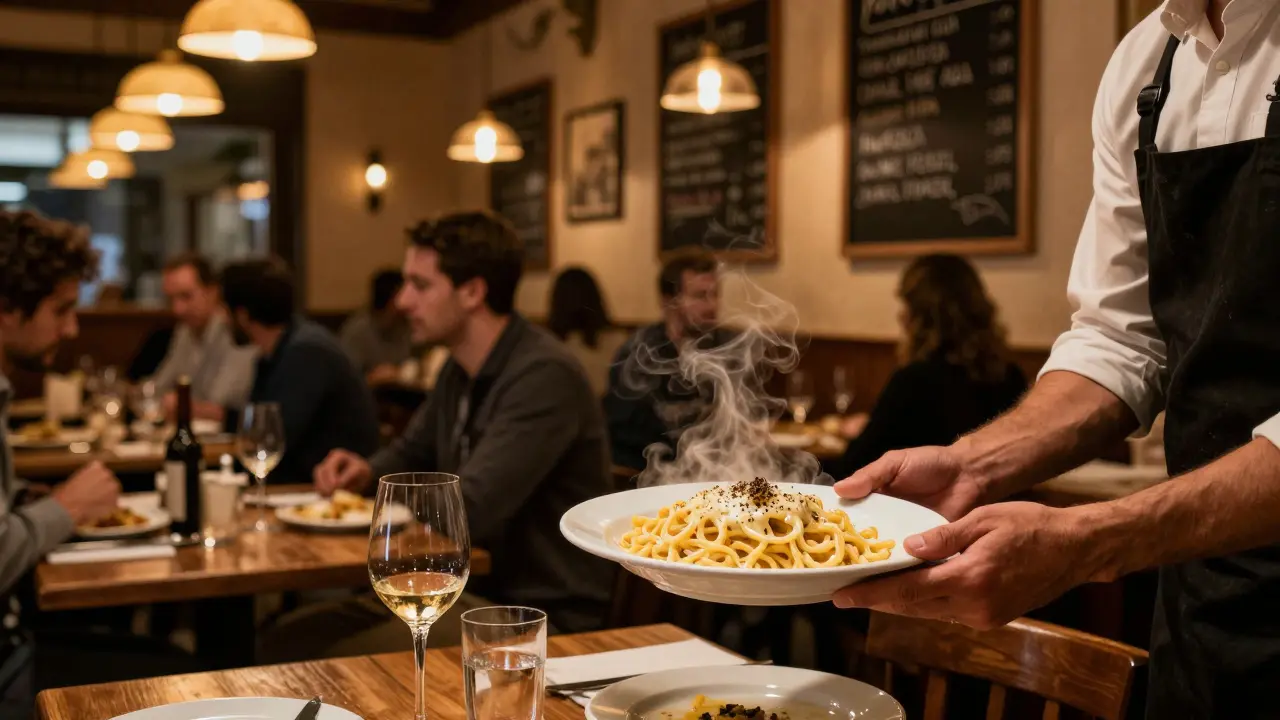
When you think of Rome, you don’t just picture ancient ruins or cobblestone streets-you taste it. The smell of garlic sizzling in olive oil, the rich aroma of slow-simmered ragù, the crunch of freshly fried supplì. Rome’s food isn’t something you experience on the side. It’s the heartbeat of the city. And if you’re looking for the real deal, you need to know where to go. Not the tourist traps with menus in five languages and plastic-wrapped tiramisu. The places where locals line up at 7 p.m. and no one speaks English unless you ask.
What Makes Roman Food Different
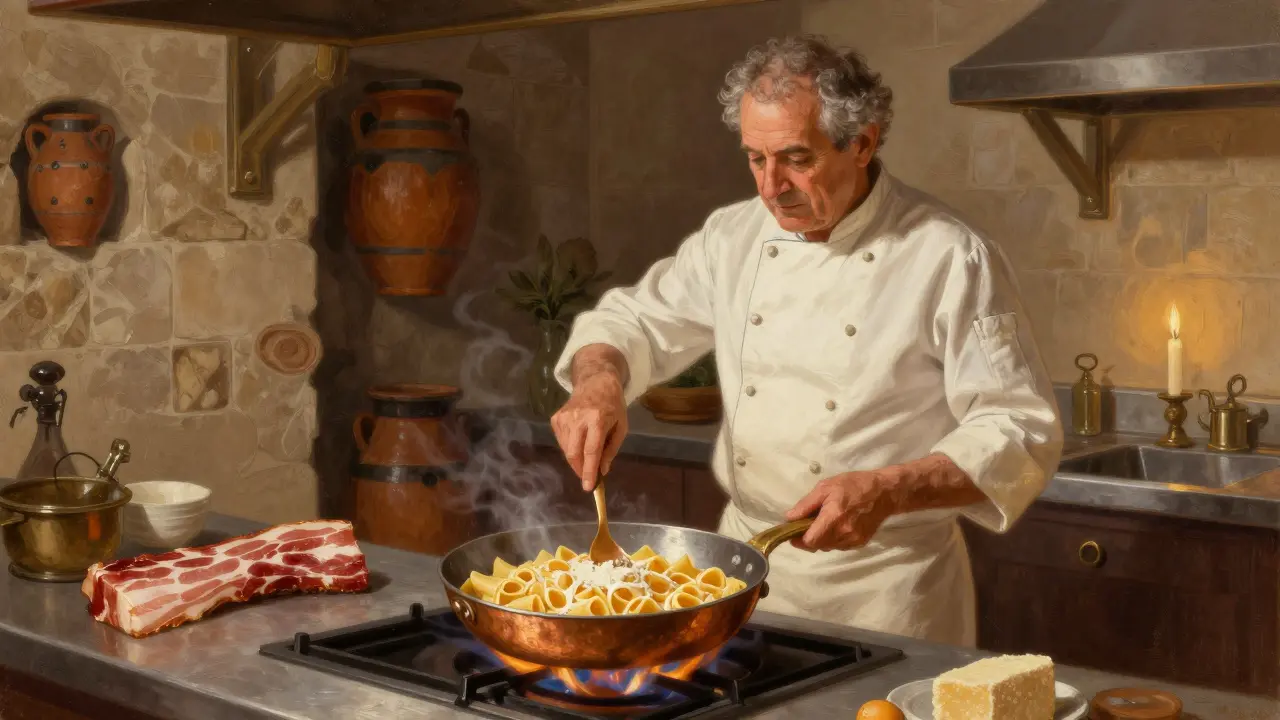
Roman cuisine isn’t fancy. It’s not about layers of truffle shavings or gold-leaf garnishes. It’s about five ingredients done perfectly. Pasta, cheese, garlic, tomatoes, and pork. That’s it. The magic happens in the technique. Carbonara? No cream. Just eggs, Pecorino Romano, guanciale, black pepper, and pasta water. The heat from the pan cooks the eggs into a silky sauce. No one in Rome adds cream. If you do, you’re not eating Roman food-you’re eating a lie.
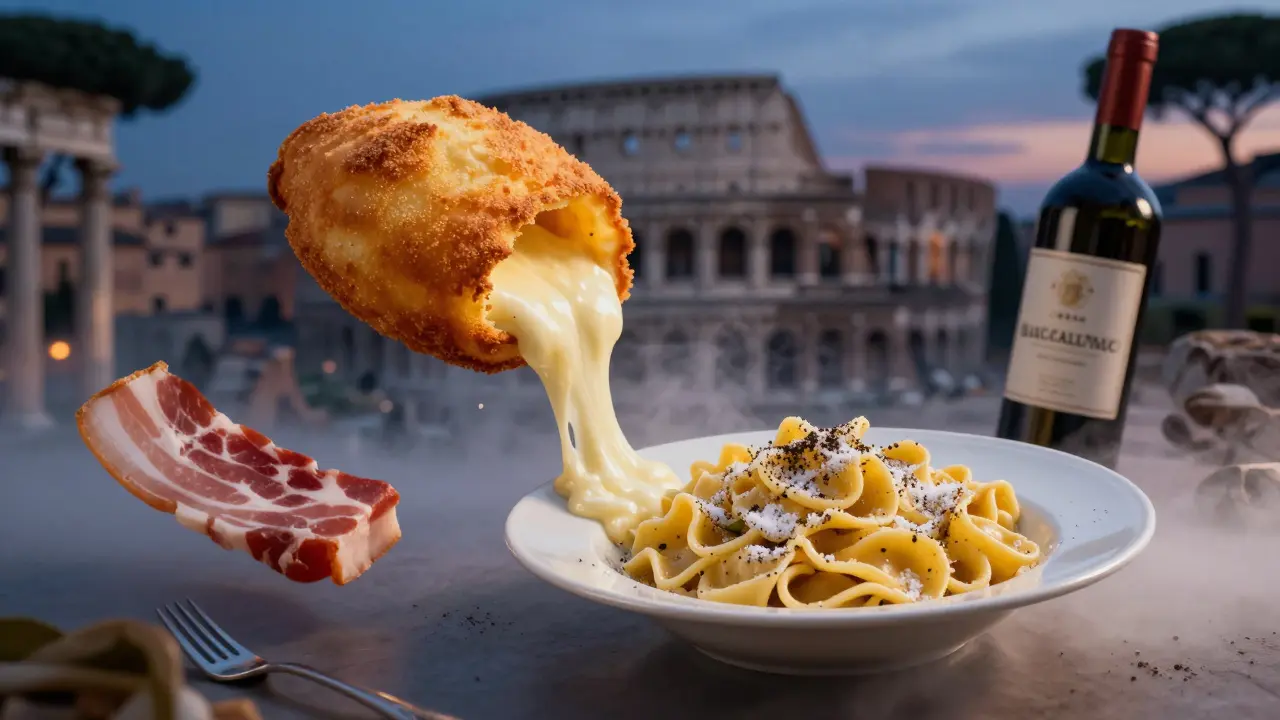
Supplì? Fried rice balls with molten mozzarella inside. Not the kind you get at airport kiosks. The real ones are crispy on the outside, with a stringy, warm center that pulls apart like a cheese pull in a movie. You eat them standing up at a bar, dusted with a little salt, maybe with a glass of Frascati white wine.
And then there’s cacio e pepe. Just cheese and pepper. No butter. No cream. Just pasta, Pecorino, and freshly ground black pepper. The pepper isn’t an afterthought-it’s the star. You taste it first, then the saltiness of the cheese, then the nuttiness of the pasta. It’s simple. It’s perfect. And it’s everywhere in Rome… if you know where to look.
The Top 5 Places to Eat Like a Local
Here are the five spots that locals whisper about. Not on Instagram. Not in Michelin guides. Just the places where Romans go after work, on Sundays, or when they’re celebrating something small-like finishing a book or surviving a Monday.
- Trattoria Da Enzo al 29 in Trastevere. This tiny place has 14 tables. No reservations. You show up at 6:45 p.m. and hope for the best. Their amatriciana is legendary-guanciale, tomato, Pecorino, and a hint of chili. The pasta is always al dente. The wine list? Three bottles. All from Lazio. You’ll leave with sauce on your shirt and a smile on your face.
- Flavio al Velavevolo under Monte Testaccio. This isn’t a restaurant. It’s a Roman cellar. Built into an ancient trash mound of broken amphorae (yes, really), it serves rigatoni alla carbonara that’s been perfected since 1978. No cream. No bacon. Just eggs, cheese, guanciale, and pepper. The owner, Flavio, still stirs the pasta himself. He’s 78. He doesn’t retire.
- Roscioli near Campo de’ Fiori. It’s a deli, a wine bar, and a restaurant all in one. The supplì here are crisp, golden, and packed with mozzarella that oozes like lava. Their tonnarelli cacio e pepe is so good, people fly in just for it. Buy a slice of their pecorino to take home-it’s aged 18 months and tastes like the hills of Lazio.
- La Pergola at the Rome Cavalieri. Yes, this is the only upscale spot on the list. But it’s not fancy for fancy’s sake. Chef Heinz Beck uses Roman ingredients in ways you’ve never imagined. Think braised lamb with wild fennel or artichokes cooked in Roman style-with olive oil, garlic, and mint. It’s expensive, but if you’re celebrating something big, this is where you go.
- Da Felice in Testaccio. This place has been around since 1932. They serve pasta e fagioli-a humble bean and pasta soup-that locals say tastes like their Nonna’s. It’s thick, hearty, and served with a drizzle of olive oil. No one orders dessert. They just sip espresso and say, “That was good.”
What to Order (And What to Skip)
Here’s the cheat sheet. If you’re in Rome, eat this:
- Carbonara-but only if it’s made with guanciale, not pancetta. Guanciale is pork cheek. It’s fattier, richer, and more flavorful.
- Amatriciana-tomato, guanciale, Pecorino, chili. If it’s missing any of these, walk out.
- Cacio e Pepe-the simpler, the better. If the menu says “with cream,” run.
- Supplì-fried rice balls. Look for ones with a stringy cheese center.
- Trippa alla Romana-tripe cooked with tomato, mint, and pecorino. Sounds weird? Try it. It’s tender, savory, and surprisingly light.
- Porchetta-roast pork stuffed with rosemary, garlic, and fennel. Grab a sandwich from a street cart. The best ones are in the suburbs.
And here’s what to avoid:
- “Chicken Parmesan” or “Spaghetti Bolognese.” Those aren’t Roman. They’re American or Northern Italian. Rome doesn’t do them.
- Anything with “alfredo sauce.” That’s not even Italian. It was invented in the U.S.
- Restaurants with photos of food on the menu. Real Roman places don’t need them.
- Menus with more than three languages. If it’s in Chinese, Japanese, or Russian, it’s for tourists.
When to Eat and How to Order
Rome doesn’t eat like you do. Lunch is 1 p.m. to 3 p.m. Dinner starts at 8 p.m. and goes until 11 p.m. If you show up at 7 p.m., you’ll be the only one eating. Locals are still at work.
Ordering? Don’t ask for “the menu.” Say: “Cosa mi consiglia?” (What do you recommend?) Then let them guide you. Most places have a fixed menu-two courses, wine, and coffee-for €25. That’s your best deal.
And don’t tip. Service is included. Leave a euro or two if you’re feeling generous, but don’t feel obligated. Italians don’t expect it.
The Secret: Eat Where the Workers Eat
The best food in Rome isn’t in the historic center. It’s in Testaccio, San Lorenzo, and Ostiense-neighborhoods where factory workers, teachers, and mechanics live. These are the places where the pasta is thick, the wine is cheap, and the portions are huge. If you want to taste real Rome, walk away from the Pantheon. Head toward the bus stops. Find a place with a chalkboard menu and a line of locals in jeans and sneakers. That’s your table.
One last thing: don’t order dessert unless you’re really full. Italians don’t eat sweets after dinner. They drink espresso. Maybe a grappa. If you want tiramisu, have it for breakfast. Yes, that’s a thing here.
Final Tip: Bring an Empty Stomach
Rome doesn’t serve small portions. It serves food that fills you up. You’ll leave with a full belly, a stained shirt, and a new understanding of what good food really means. It’s not about luxury. It’s about tradition. About hands that knead dough at 5 a.m. About olive oil that’s pressed just 30 miles outside the city. About a grandmother’s recipe passed down, not written down.
So eat slow. Talk to the waiter. Ask what’s fresh. And don’t rush. The best meals in Rome aren’t eaten. They’re lived.
What’s the most authentic Roman dish to try?
The most authentic Roman dish is cacio e pepe. Made with just Pecorino Romano cheese, black pepper, and pasta water, it’s a dish that’s been unchanged for over a century. It’s simple, deeply flavorful, and found in nearly every traditional Roman trattoria. If a restaurant adds cream or butter, it’s not authentic.
Is it true Romans don’t use cream in carbonara?
Yes, absolutely. Authentic Roman carbonara uses eggs, Pecorino Romano, guanciale (cured pork cheek), and black pepper. The creaminess comes from mixing hot pasta with egg and cheese-not dairy. Adding cream is considered a culinary crime in Rome. If you see it on the menu, it’s likely made for tourists.
When is the best time to eat dinner in Rome?
Dinner in Rome starts around 8 p.m. and goes until 11 p.m. Most locals don’t eat before 8:30. If you show up at 7 p.m., you’ll be the only one eating. Restaurants often don’t even open until 8 p.m. Plan accordingly. Arriving early means you’ll miss the real Roman rhythm.
Should I tip at restaurants in Rome?
No, tipping isn’t expected. Service is included in the bill. You might leave a euro or two if the service was excellent, but it’s not required. Tipping too much can even confuse staff. Just pay the amount on the bill, say “Grazie,” and leave.
Where can I find the best porchetta in Rome?
The best porchetta is found outside the tourist zones-in neighborhoods like Testaccio, Ostiense, or even along the Via Appia. Look for small carts or family-run delis with a whole roasted pig on display. The meat should be tender, juicy, and full of rosemary and fennel. The crust should be crispy. A good porchetta sandwich costs €8 and is worth every euro.
Next time you’re in Rome, skip the gelato stand near the Colosseum. Head to a backstreet trattoria. Sit at the counter. Order the house pasta. Let the waiter decide. You’ll taste something no guidebook can describe.