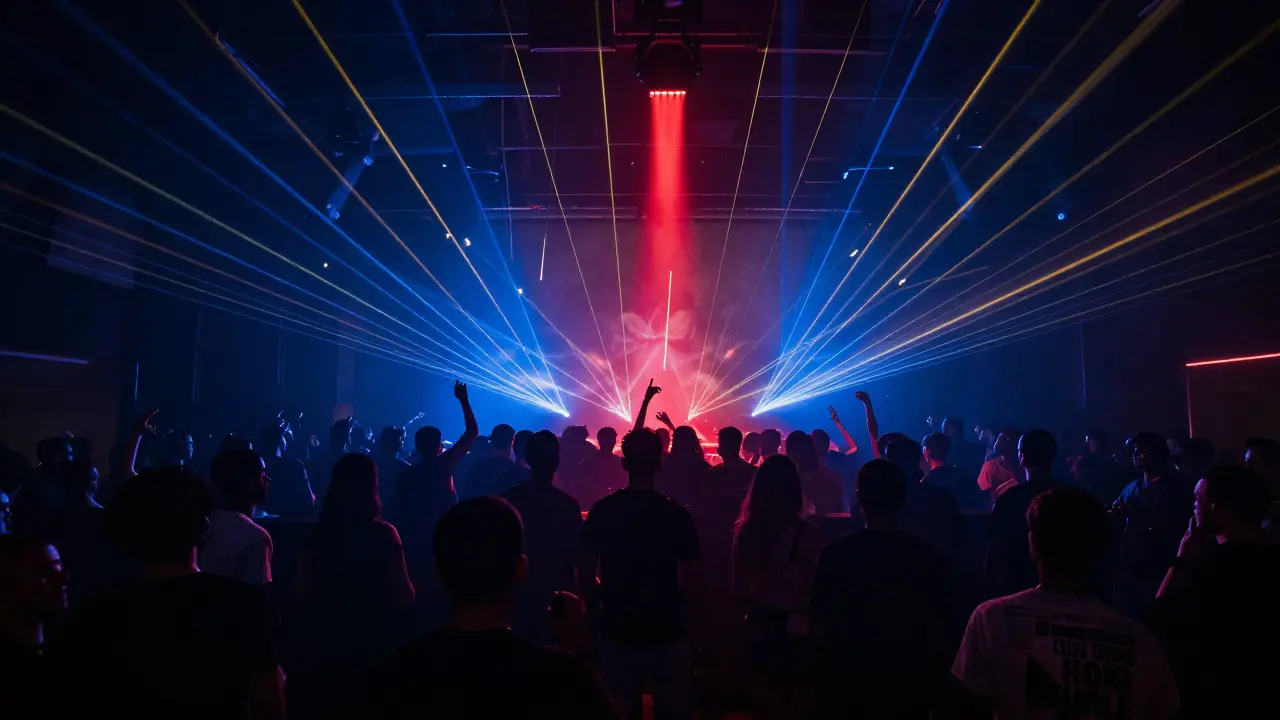
There’s something about a night club that doesn’t just play music-it becomes the music. The bass doesn’t just vibrate through the floor; it rattles your ribs. The lights don’t just flash-they pulse like a heartbeat. And the crowd? It’s not just people dancing. It’s a living thing, breathing in sync, moving as one when the drop hits. This isn’t just a place to go out. It’s where music meets magic.
It Starts With the Sound
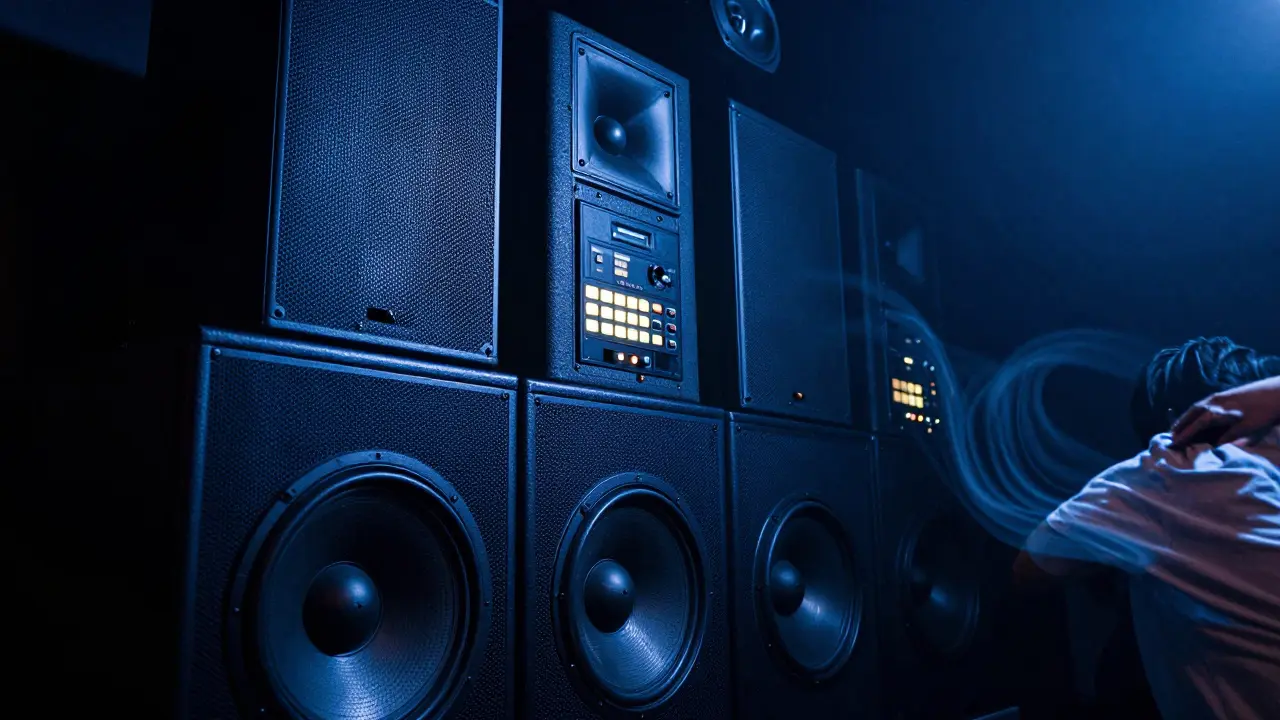
Most people think night clubs are about drinks and dressing up. But the real engine? The sound system. A good club doesn’t just have speakers-it has a sonic architecture. In Dublin, clubs like The Button Factory and The Workman’s Club use custom-built rigs that can handle frequencies below 30Hz without distortion. That’s not just loud. That’s physical. You feel the kick drum before you hear it. Your chest tightens. Your feet lift off the ground without you meaning to. That’s how you know it’s real.
Top clubs invest in line array systems-stacked speakers that project sound evenly across the room, not just in front. They calibrate them with software like SMAART to match the room’s acoustics. No echo. No dead zones. Just pure, clean energy from the DJ booth to the back wall. You don’t need to be near the stage to feel it. You just need to be inside.
The Light Show Isn’t Just Decor
Lighting in a real night club isn’t random. It’s choreographed. Each strobe, each laser, each color shift is timed to the beat. In Berlin’s Berghain, the lighting stays dim for hours-just enough to see your friend’s face. Then, when the track changes, a single red beam slices the room like a knife. It’s not flashy. It’s surgical.
Modern clubs use DMX-controlled LED fixtures that can change color in milliseconds. Some even sync with the music’s frequency spectrum. If the bass drops, the lights turn deep blue. If the vocals rise, they shift to gold. It’s not just ambiance. It’s emotional engineering. You don’t realize it, but your brain is responding to the light as much as the beat. That’s why you leave exhausted-not because you danced all night, but because your nervous system was rewired for four hours.
The Crowd Is the Third Element
Music and lights are tools. The crowd? That’s the magic. A night club only works when people stop being individuals and become part of the rhythm. You see it in the way strangers lock eyes during a drop and smile without saying a word. You feel it when someone pushes their hands up in the air and ten others follow, like a wave.
Clubs that get this right don’t just play music-they curate energy. They choose DJs who read the room. They train staff to notice when the vibe dips and subtly shift the track. They keep the doors open wide enough to let new energy in, but not so wide that the vibe leaks out. That balance is everything. Walk into a club where the crowd feels forced, and you’ll leave after one song. Walk into one where the energy is alive, and you won’t want to leave until the last light goes out.
It’s Not About the Drinks
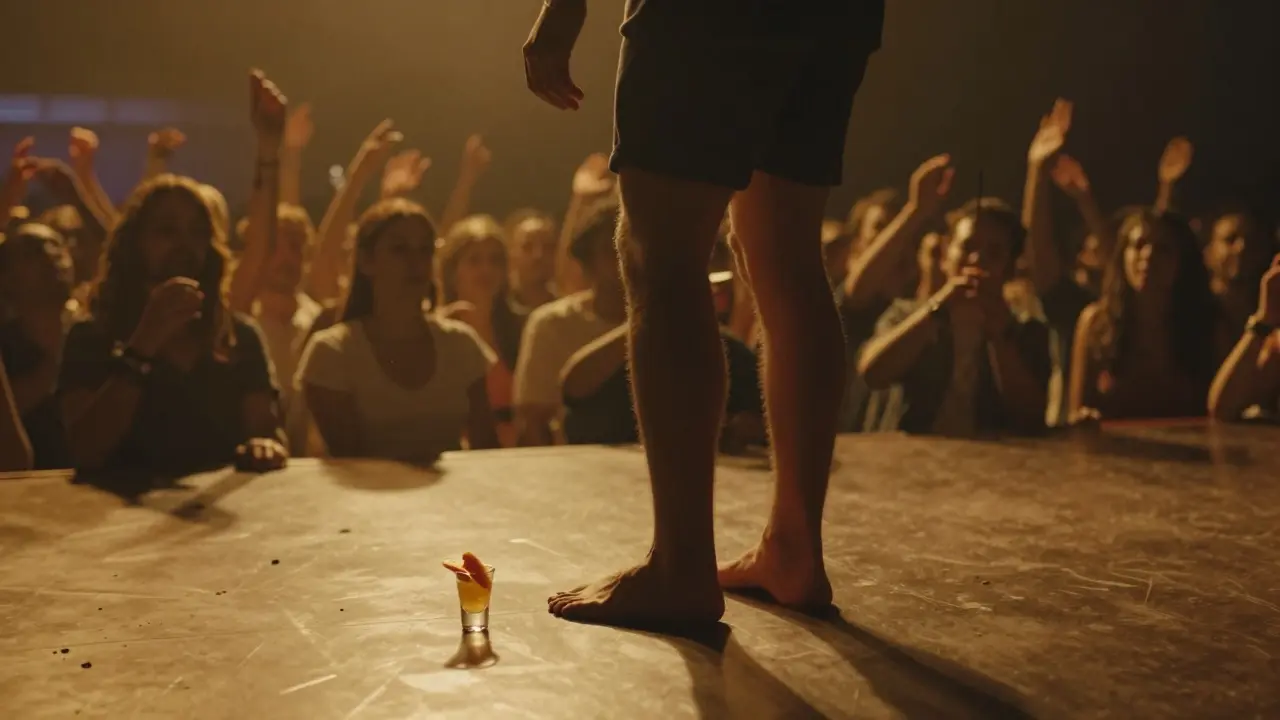
Yes, you’ll pay €12 for a gin and tonic. Yes, the bar is always packed. But the best clubs don’t make money on alcohol-they make it on experience. A good club will have three types of drinks: the standard, the signature (a unique cocktail tied to the venue’s theme), and the free one. That free one? Usually served at 1:30 AM. A shot of something spicy, maybe lime and chili. No charge. Just a gift from the house. It’s not about the drink. It’s about the gesture. It says: ‘We see you. You’re part of this.’
Clubs that focus on sales over soul end up with sticky floors and bored regulars. The ones that thrive? They know you’re not here for the price. You’re here for the feeling.
What Makes a Night Club Last?
Most clubs die within two years. Why? They chase trends. They play whatever’s hot on TikTok. They hire DJs based on follower count, not feel. The survivors? They build rituals.
In Dublin, The George has been running since 1989. They don’t have a VIP section. They don’t have bottle service. They have one rule: no phones on the dance floor. No one’s recording. No one’s scrolling. Just bodies, sweat, and sound. That’s why people come back. Not for the music. For the silence between the beats.
Long-lasting clubs also have a house identity. They have a logo, a color, a smell. The Sugar Club in Dublin uses a specific incense blend-sandalwood and vanilla-that lingers in the air even after closing. People say they can smell it from the street. That’s branding. That’s memory.
The Hidden Rules
If you want to get the most out of a night club, you need to know the unspoken rules:
- Arrive 30 minutes after opening. Too early, and you’re the only one. Too late, and the vibe’s already peaked.
- Don’t stand near the DJ booth. It blocks the sound. Move to the side walls-you’ll hear the full mix.
- Don’t ask for a table. Tables are for people who aren’t dancing. If you want to move, stand.
- Don’t check your phone. If you do, you break the spell. You’ll feel it the moment you look down-the energy drops.
- Leave before 3 AM. The last hour is always the same: tired, loud, and losing its soul.
Why This Matters Now
Life is noisy. Phones buzz. Emails ping. Social media never sleeps. A night club is one of the last places where silence doesn’t exist-and that’s the point. You’re not escaping reality. You’re surrendering to something deeper. A rhythm older than language. A pulse that doesn’t care if you’re rich, single, or tired. It just wants you to move.
That’s why, even in 2026, people still show up. Not for Instagram. Not for status. But because, for a few hours, the world outside fades. And inside, music meets magic-and for once, it feels real.
What makes a night club different from a bar or lounge?
A bar or lounge is for talking, sipping, and relaxing. A night club is for losing yourself. The music is louder, the lighting is programmed, and the crowd moves as one. Bars have chairs. Clubs have dance floors. Bars let you scroll your phone. Clubs ask you to leave it in your coat. It’s not about the drinks-it’s about the surrender.
Do I need to dress up to go to a night club?
It depends on the club. In cities like Berlin or Amsterdam, jeans and a clean tee are fine. In places like Miami or Ibiza, you’ll see more effort. But the real rule? Don’t wear anything that stops you from moving. If your shoes hurt, you’ll leave early. If your outfit makes you feel confident, you’ll stay. Comfort and confidence matter more than labels.
How do I find a good night club if I’m new to the scene?
Look for clubs that list their DJs in advance-not just names, but genres. If a club says ‘house and techno’ and you like deep beats, go. Avoid places that only say ‘live music’ or ‘DJ night’ without details. Ask locals. Go to a club on a Tuesday-it’s quieter, so you can feel the vibe without the crush. And don’t trust Instagram. Go in blind once. The best clubs don’t need filters.
Is it safe to go to a night club alone?
Yes-if you trust your instincts. Go early, stay aware, and keep your phone charged. Most clubs have security staff who know regulars. Don’t leave your drink unattended. But don’t be afraid to dance alone. Some of the best nights happen when you’re not waiting for someone. You’ll meet people when the music takes over. You don’t need a group. You just need to be there.
Why do some night clubs have no phones allowed?
Because the magic only works when you’re fully present. A phone turns a live experience into a recording. It breaks the connection between you and the music, the lights, the people around you. Clubs that ban phones aren’t being strict-they’re protecting the vibe. You’ll notice the difference. The air feels heavier. The beat hits harder. And for the first time in weeks, you’ll forget to check your notifications.

This is why America's clubs are dying. No phones? No VIP? You're kidding. We don't do 'vibes' here. We do profit. This post reads like a cult manifesto.